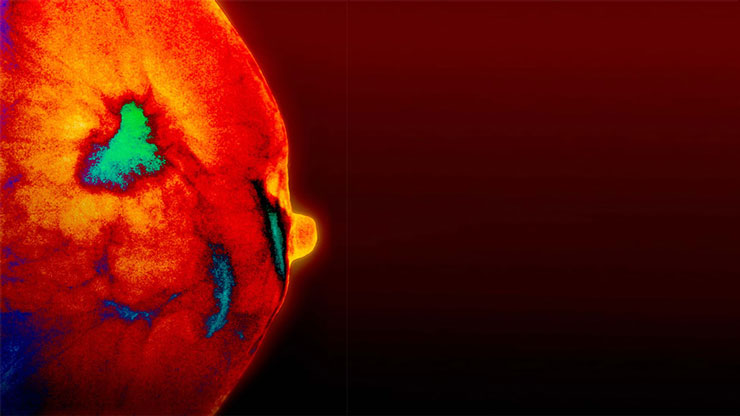
Breast cancer is the No 1 diagnosed cancer in the world with 2.3 million new cases in 2020. Hard statistics: one woman in the world is diagnosed with breast cancer every 4, 4 minutes.
Early detection in order to improve breast cancer outcome and survival remains the cornerstone of breast cancer control.
Breast cancer awareness campaigns aim to raise awareness on the problem, educate all women 25+ on the importance of early detection. Because of early diagnosis, higher survival rates are expected.
The Breast Cancer Awareness Month, marked in countries across the world every October, helps to increase attention and support for the awareness, early detection and treatment as well as palliative care of the disease.
Breast Cancer Awareness Month has launched large-scale events like Race for the Cure, and Susan G. Komen walks, since 1985. These events have grown during the last years due to the social media. Through social platforms, they reached larger audiences, engaged with them, fundraised globally and created awareness for the breast cancer. The events are becoming viral through the social media of organizations and companies that support the events. The last Sunday of September has become a viral event which spreads the message of early diagnosis and cure of the disease.
How digital media used in some impactful breast cancer awareness campaigns?
The following three emblematic campaigns can give us valuable insights for study.
Check it before it’s removed (2016)

In 2016, the Pink Ribbon Foundation designed a genius social media campaign. It was actually “designed to be deleted”. The idea was to utilize the social media censorship guidelines in order to create awareness on breast cancer. The message of the campaign was “Check it before it’s removed”. 17 women exposed their naked breast on Facebook and Instagram and called all women to do the same before the social media delete the posts. This action symbolizes the threat to lose a breast to cancer such as a post is deleted by the censorship.
Several celebrities and influencers like the singer Cascada and the supermodel Franziska Knuppe, supported the campaign spreading the campaign to a larger outreach.
The buzz of the campaign was was implausible. 29 million people reached the social platforms contributing to a 28% uplift of traffic to their website.
Everyone can help someone (2019)
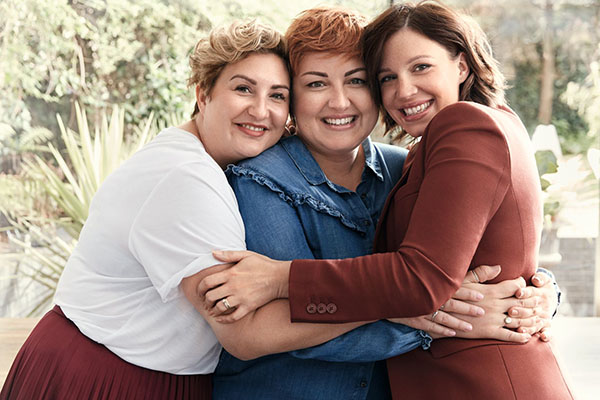
M&S partnered with Breast Cancer Now initiative to generate a series of videos for their social channels. Every day women who have been affected by breast cancer share their life with the cancer. These emotional videos have attracted significant traction and thousands of views on social media. The content focused to connect with the brand’s core demographic.
The female actors openly shared their emotions, the fear and the stress after being diagnosed with breast cancer and during their journey as patients.
Their stories were presented in M&S stores, as well as on M&S website and social media. The campaign underlined the solidarity of the people. This solidarity can be expressed towards a neighbor or colleague who has been affected by breast cancer or ever bying selected M&S products. M&S donated 25% from each purchase price to fund Breast Cancer Now’s research.
M&S and Breast Cancer Now are collaborating for over 18 years and in 2015. The funds will help the research to find new ways to prevent breast cancer.
Know your lemons (2017)
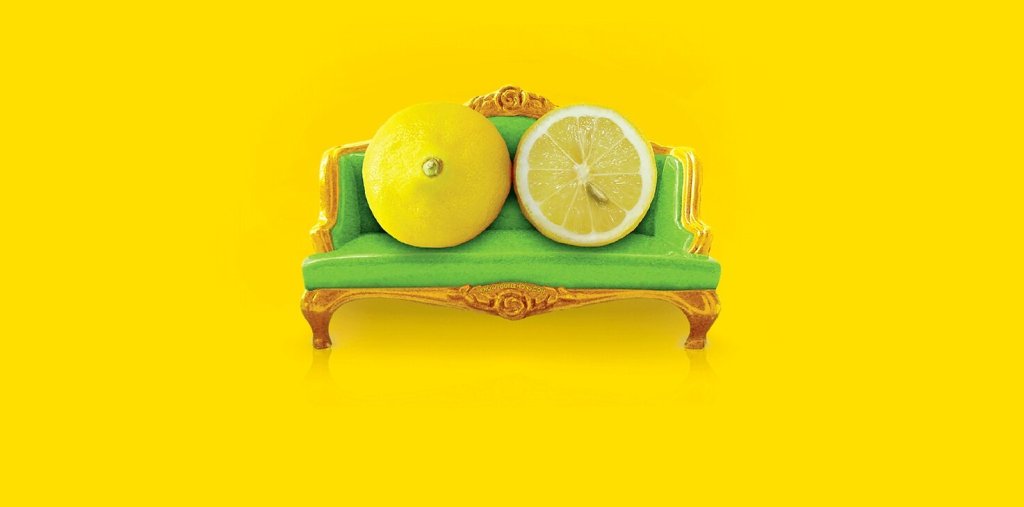
In 2017, the young designer Corrine Beaumont created the groundbreaking ‘Know Your Lemons’ infographic that went viral.
After losing two grandmothers and a friend to breast cancer, she dedicated her time to create infographics and smart graphics that would help women recognize common symptoms of breast cancer.
Her innovative idea was to use images of lemons inside an egg box instead of real breast images. This swap discuss the woman’s anatomy in way that it is not overwhelming for those who may not be like the idea of self-examination.
Moreover, the lemons broaden the image’s reach, as it is displayed in public places than a medically representation. Beaumont clarified “By using a substitute for a breast that’s not connected to the body, such as a lemon, then it makes it possible to do a lot of teaching because it’s a strong metaphor that’s not already used.”
Every year the Know Your Lemons materials are updated and they have been able to gather more insight and feedback from patients, educators and doctors from around the world than ever before.
The #knowyourlemons breast cancer awareness campaign reached over 166 MILLION people around the world, in just 3 weeks.
References
- Ferlay J, et al. [Online]. Available from: http://gco.iarc.fr/today/data/factsheets/cancers/20-Breast-fact-sheet.pdf [Accessed September 2018]
 Health communication